Dendrology is the scientific study of trees, particularly focused on the identification, classification, taxonomy, and ecology of different tree species. Timber is a timeless resource in human development; it’s custody in the way in which we harvest is more important than ever.
We independently survey and record the health of trees prior to procurement as well as the condition of trees that are not felled as part of back stopping and the influence of felled trees have on those that remain.
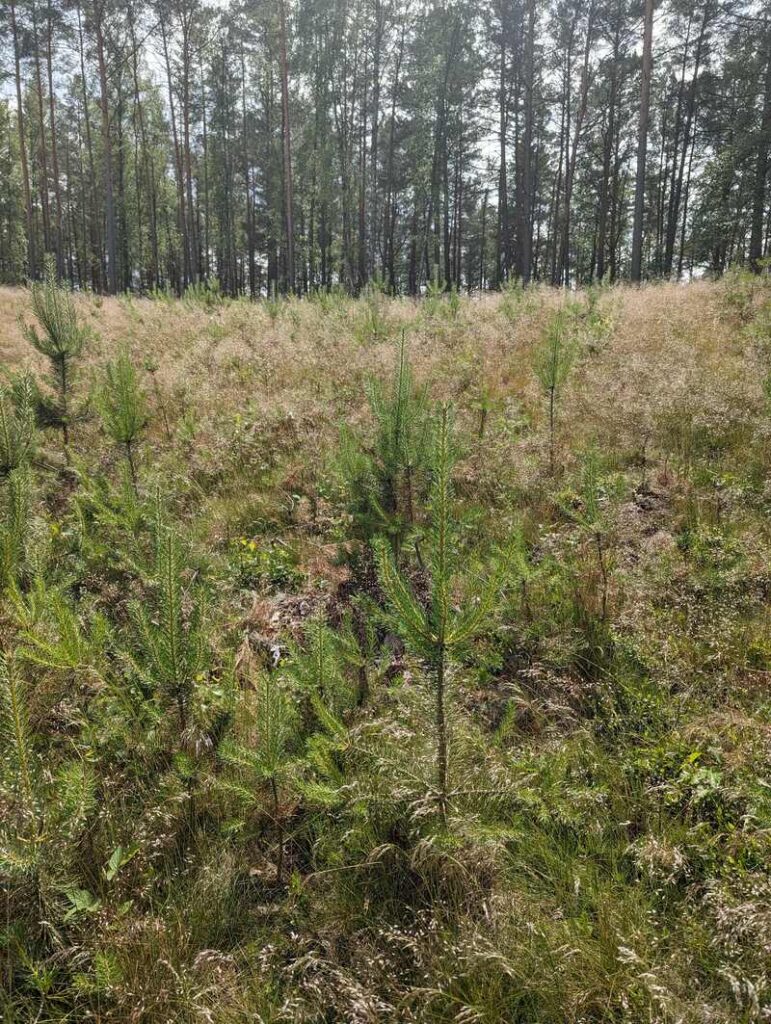
We also assist with newly planted forestry and periodic tree surveys to ensure trees that are replaced are healthy and receiving the correct management as renewable resource.
Dendrochronology is a scientific discipline that studies tree ring patterns to establish precise chronological sequences of past events, including environmental and climatic changes. It uses the annual growth rings found in trees to date historical and archaeological findings and infer information about past environments.
We use this information through analysis to investigate construction timbers which have experienced defects or that have been processed and intended for building use ensuring the specification and quality assurances are adhered to.
Lichenology is the scientific study of lichens, which are unique and symbiotic organisms composed of a mutualistic relationship between fungi and photosynthetic algae or cyanobacteria. Lichenologists investigate various aspects of lichen biology, taxonomy, ecology, and their roles in different ecosystems.
We use lichens to help profile historic projects, this can be from a chronological aspect or a material and weathering characteristics.
We categorise species explaining their benefits and effects to different material substrates. This assists with façade material selection for new builds but especially useful for heritage or refurbishment design. We can specify their removal but also encourage their growth for ecological diversity
With initiatives such as Biodiversity Net Gain (BNG) becoming mandatory in the U.K from the 12th of February 2024, developers are obligated to evidence ways in which construction can contribute positively to improving habitats.
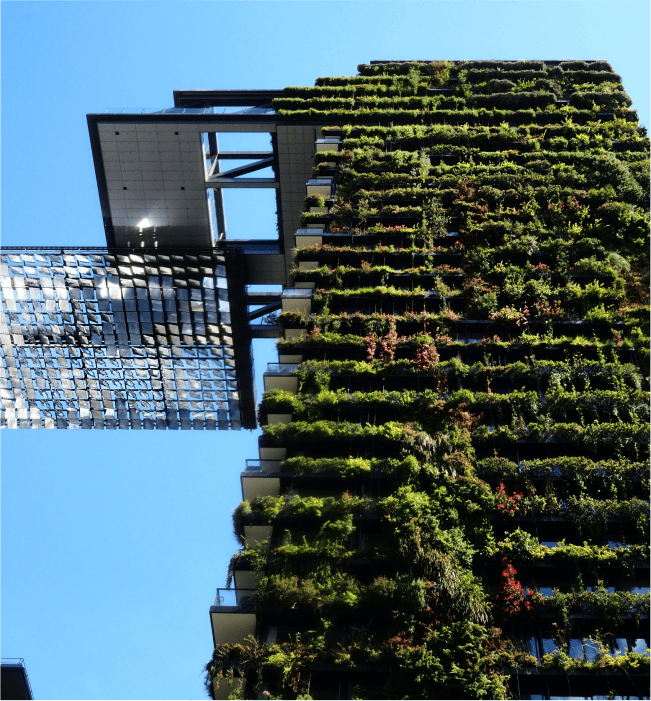
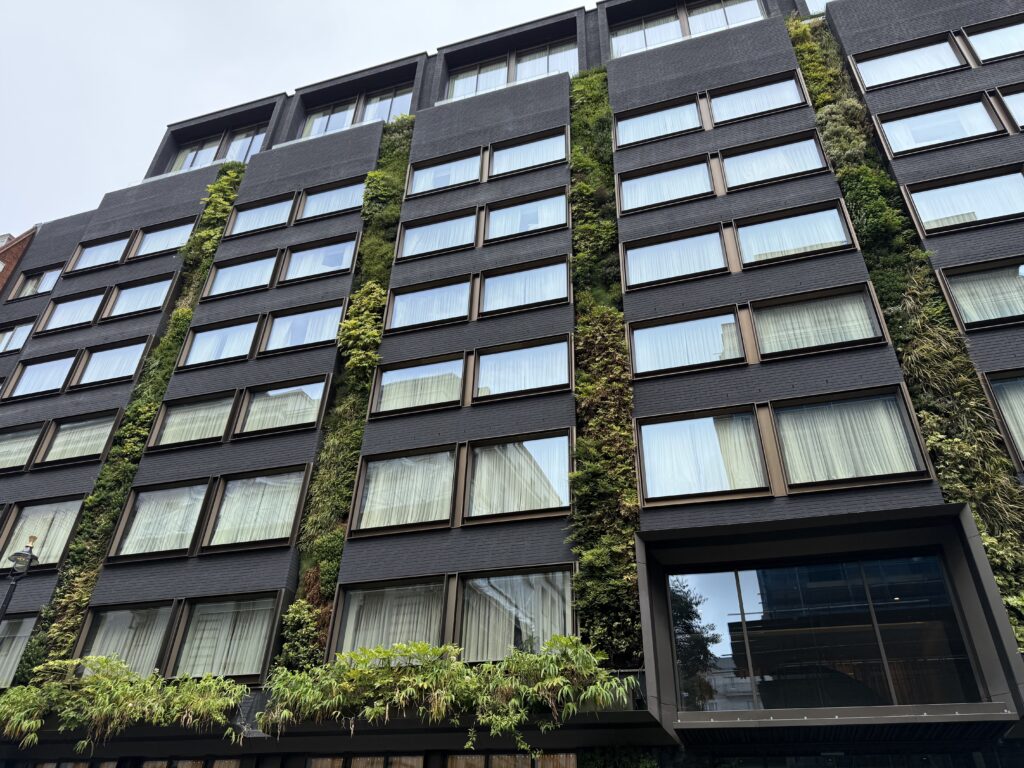
Facades offer opportunity to integrate ecology into the vertical fabric of buildings. Living Walls or Green Walls are façade systems that are designed to support flora and fauna, whilst providing other properties such as fabric cooling through shading, acoustic attenuation and the obvious aesthetic appeal.
Ecology applied to structures can be traced back through the ages from Viking roof design through to the Hanging Gardens of Babylon. Systemised approaches can be attributed to pioneer Prof. Stanley Hart White from Illinois University. He patented ‘vegetation-Bearing Architectonic Structure and System’ in 1938. He described his system as “Botanical Bricks.”
Fortis provide full structural design and engineering, whilst accounting for cold bridging and validating the plant species selection in relation to the building envelope fabric in proximity to irrigation systems and dissimilar materiality, including soil PH and loads.
Organic facade soiling refers to the accumulation of organic materials, such as algae, moss, lichens, fungi, and other biological substances, on the external surfaces of buildings and facades.
We design cleaning regimes around the local ecology and meteorological influences specific to the region to help control these effects.
In relation to biophilic design, we have developed our own systems and work with partners which can introduce this type of ecology where appropriate for biodiversity.
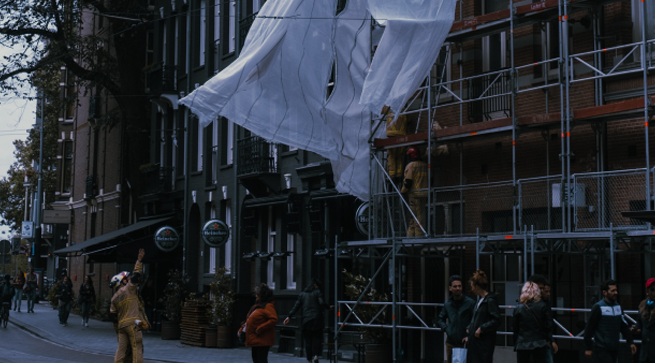
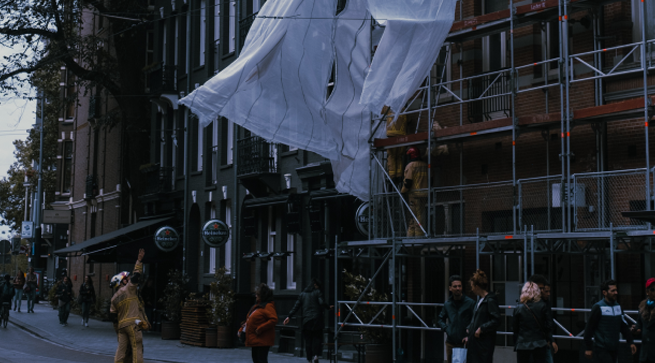
This is a dedicated free service for the construction industry which helps mitigate potential loss and increase site safety. The aim is to provide those that build, manage and commission construction an opportunity to get ahead in readiness for inclement weather.
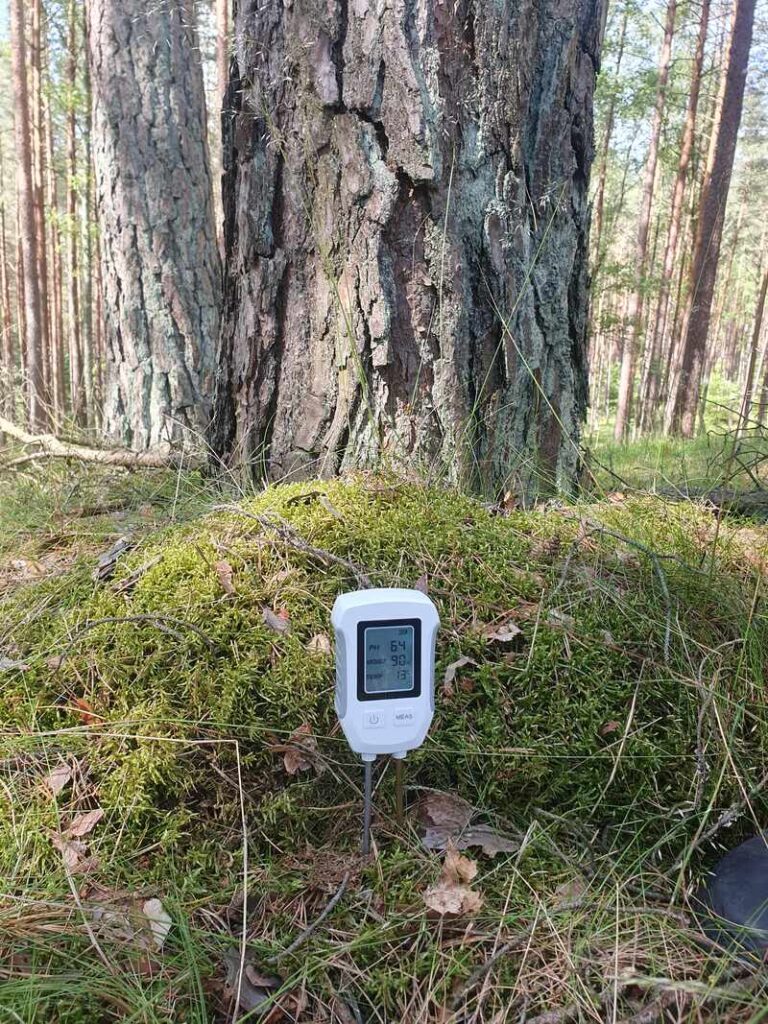
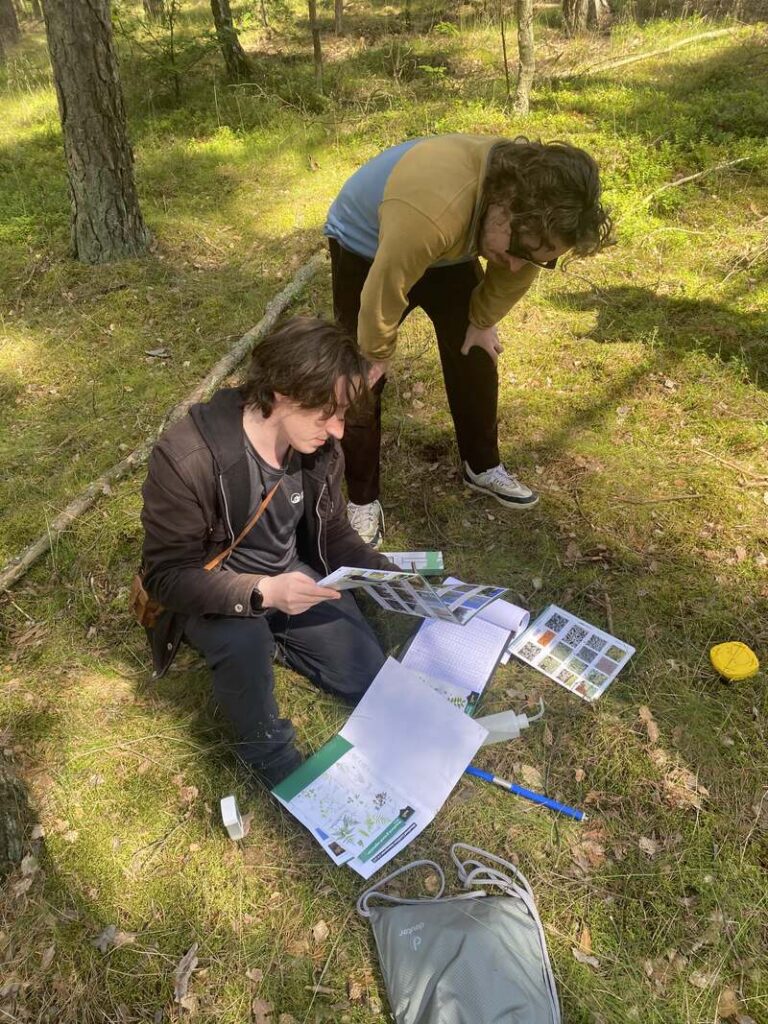
Carrying out soil assessments provides crucial data for understanding soil conditions that influence timber yield and forest health. This validates effective land and resource management in the timber industry and dendrological research.
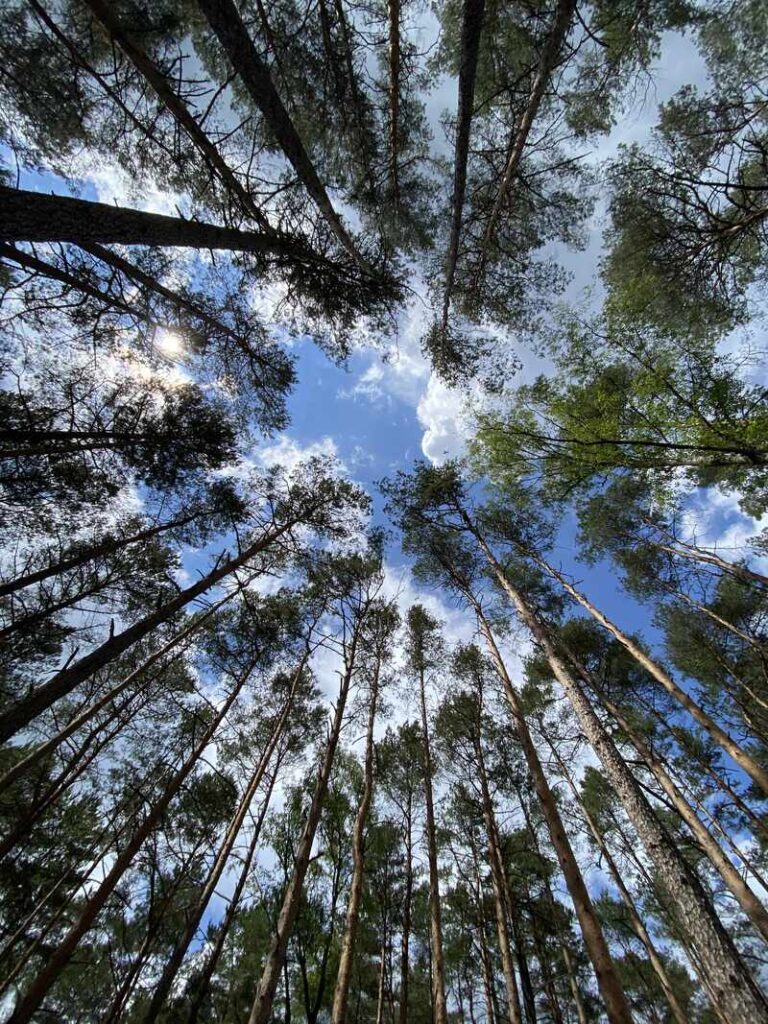
Natural succession and regeneration cycles are essential to sustainable forestry practices, offering insights into long-term timber production planning and ecological resilience.
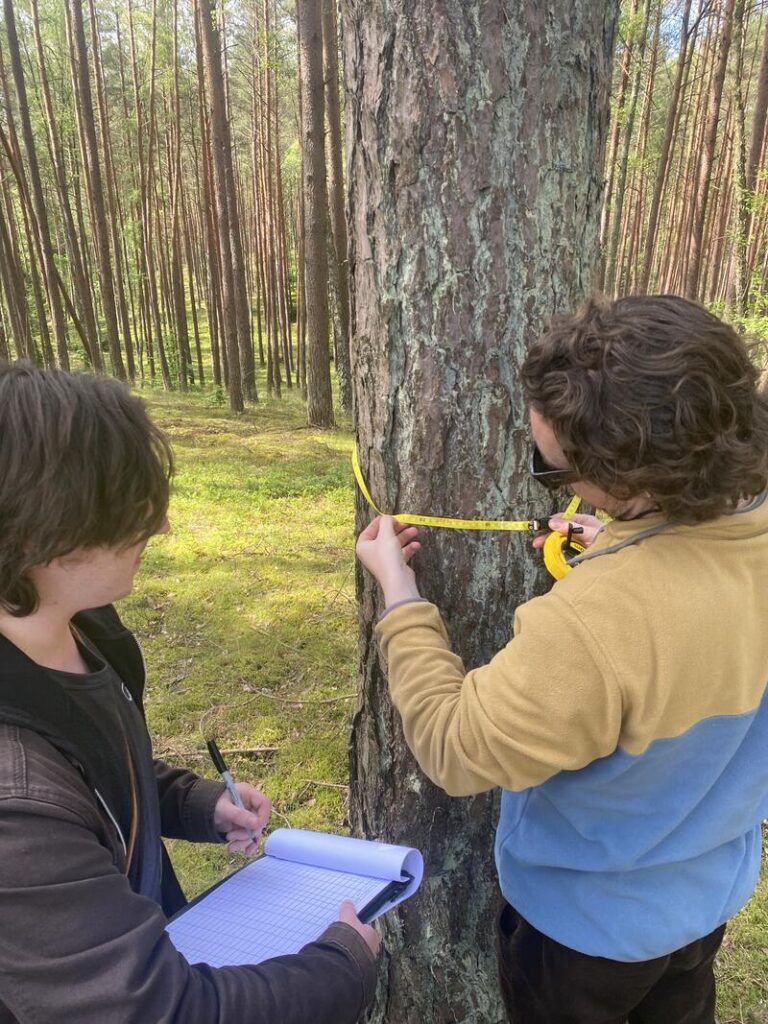
Measuring tree diameter enables the estimation of timber volume and growth rates supporting forest inventory, sustainable yield quantities, and the analysis of tree health and maturity.
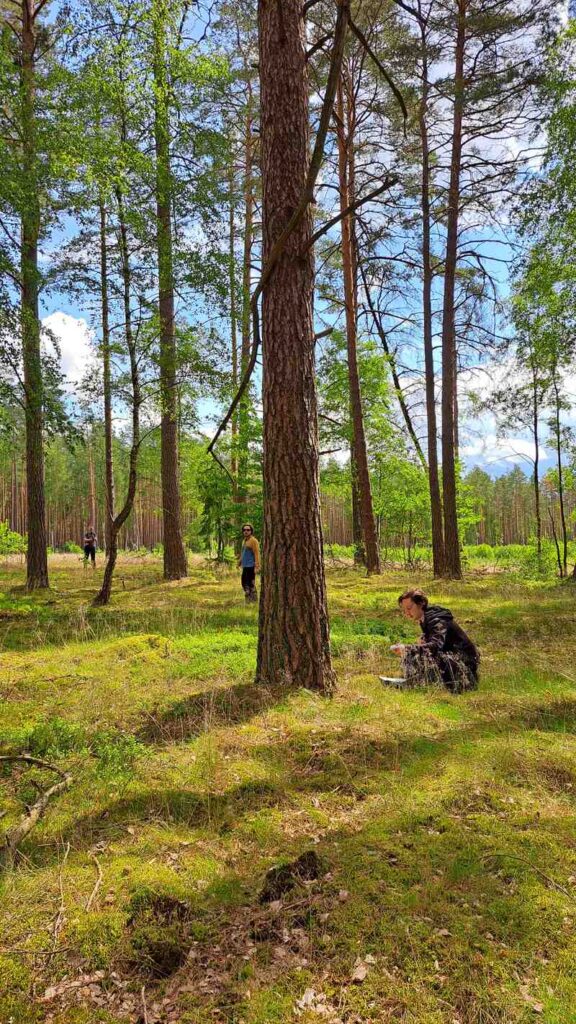
Assessing local ecology facilitates the early detection of pests, diseases and environmental stressors. This allows for improved forest management and contributes to understanding environmental symbiosis, biodiversity conservation and by extension the future of the timber industry.
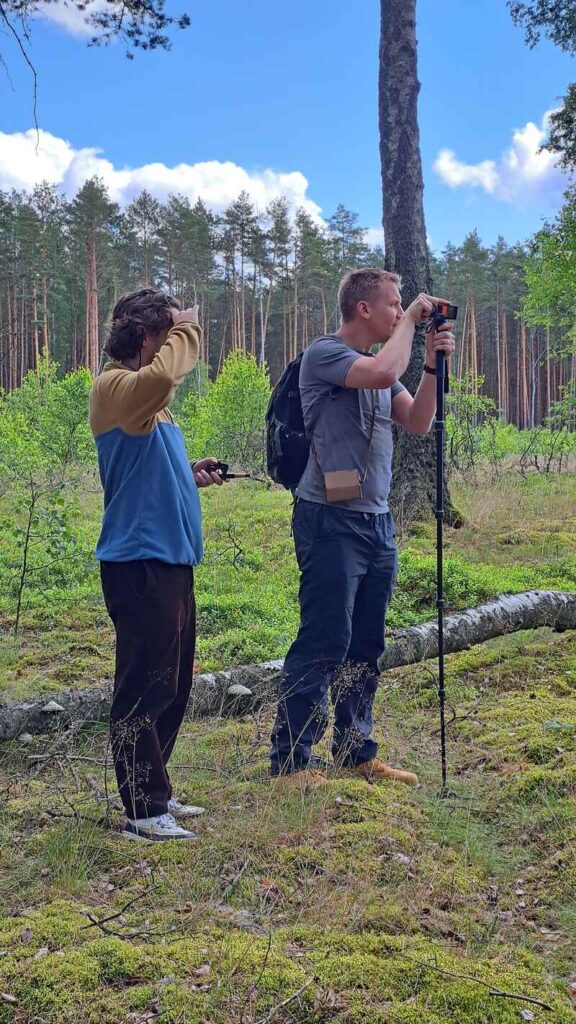
Measuring tree height and crown development serves as an indicator of tree vitality, competition and site productivity. This supports silvicultural decisions, forest valuation and the understanding of tree growth patterns.
Employing both traditional and modern techniques offers accuracy and efficiency for tree height records, supporting timber assessments and research methodologies.
Environmental impact assessments provide insights into the immediate condition of forests and the surrounding ecosystem. This informs types of treatments that can remediate issues like disease or simply document successful conditions for operators to continue sustainable practices.
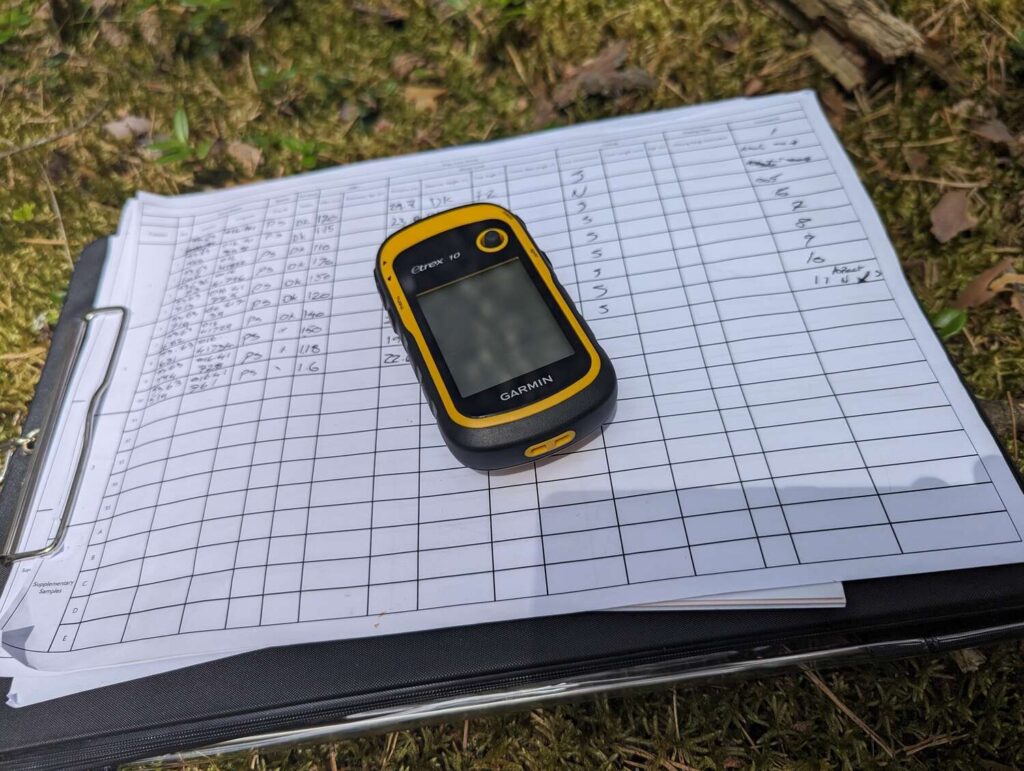
GPS loggers allow for the transfer of waypoint and track data which can be used in desktop analysis and Geographic Information Systems to evaluate the influence of topographic and wider environmental factors.
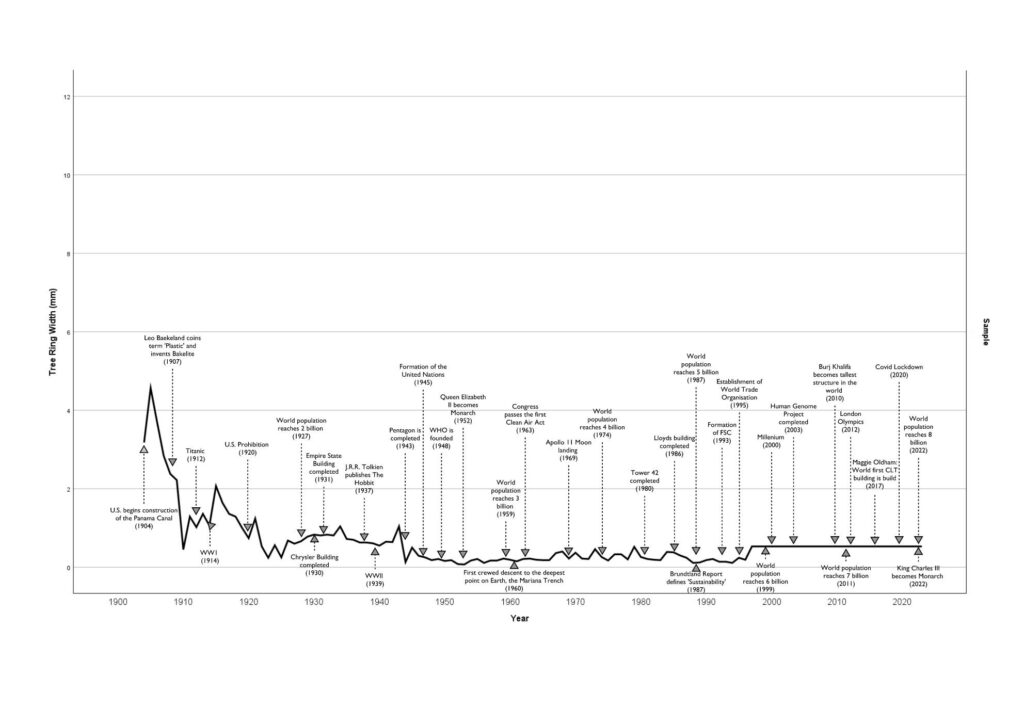
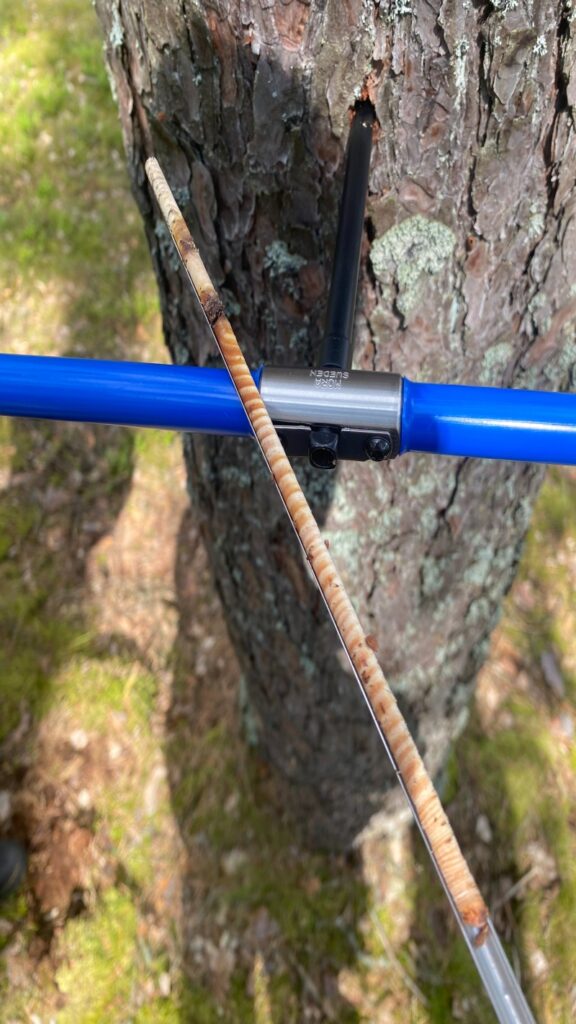
Reconstructing tree ring growth over time produces a detailed historical record of tree development and environmental conditions, enabling analysis of past climate patterns, forest dynamics, and timber quality.
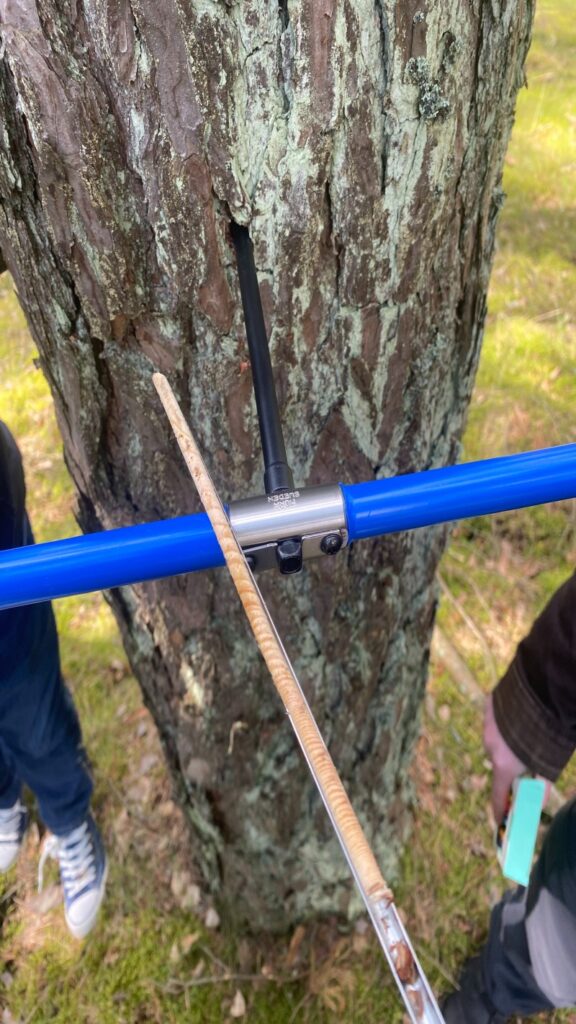
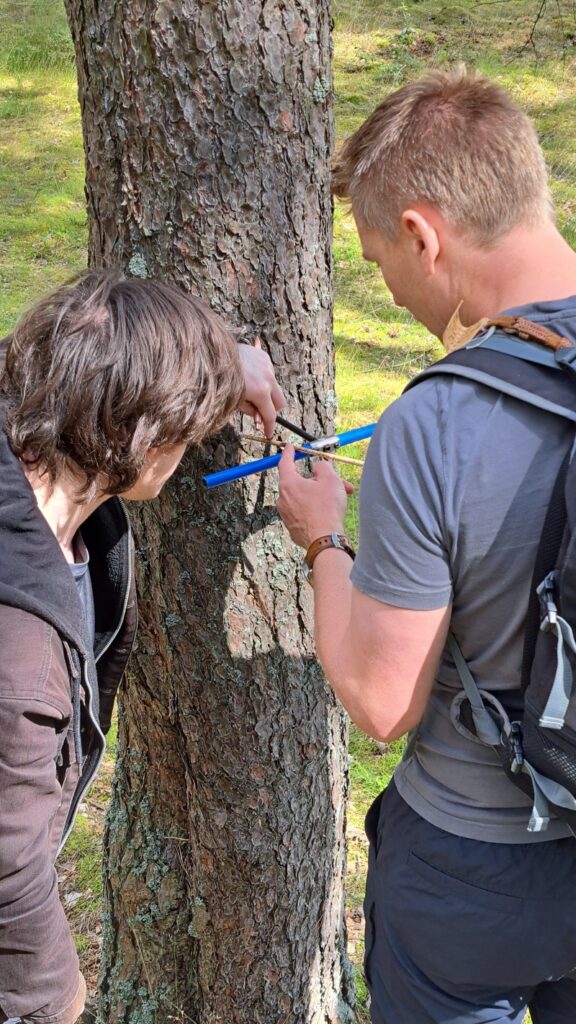
Using the Haglöf Borer on Pinus Sylvestris permits non-destructive extraction of tree core samples. This provides the growth data for each tree, information can be used to analyse age, health and environmental history of each tree sampled and the forest collectively.
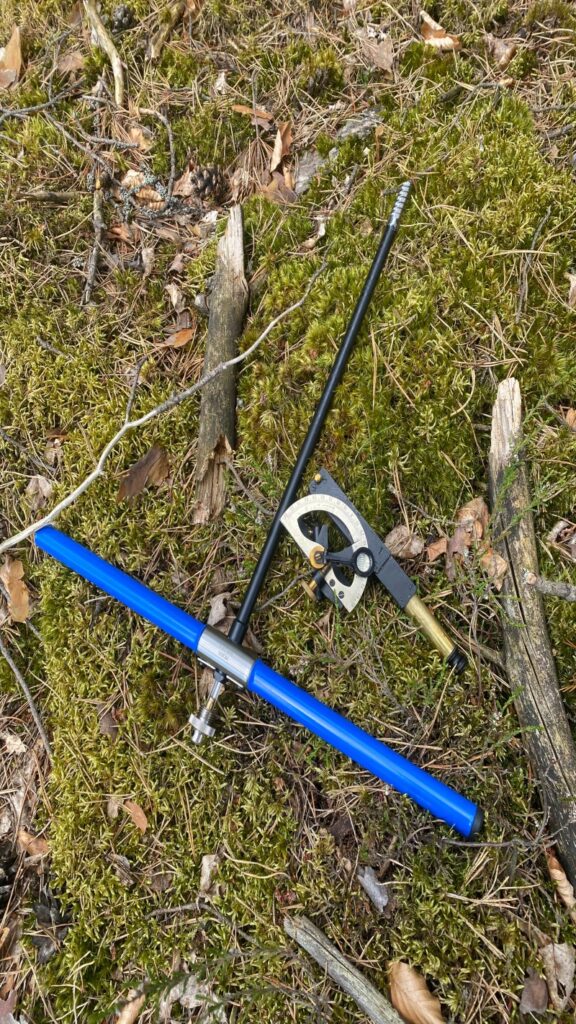
The combination of tree coring (Haglöf Borer) and height measurement (Abney Level) tools provide quantitative growth analysis and site assessment, benefiting timber resource evaluation and dendrological studies.
Visual analysis of internal growth enables the inspection of anomalies that inform tree health, structural integrity and timber quality.
Visual inspections of tree core samples allow for the preliminary identification of growth patterns and potential defects prior to timber processing, informing timber quality assessments. This helps assess where trees can be left to mature or remain part of the ecosystem should they not be fit for industrial use.
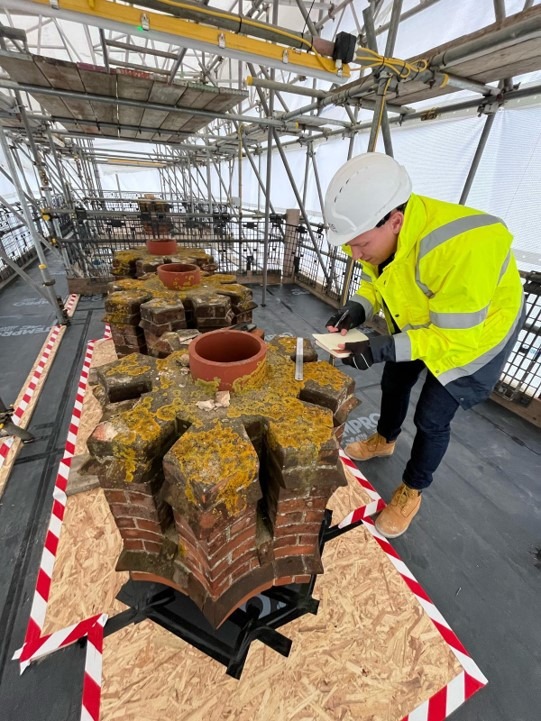
Recording, identifying and monitoring lichen species supports the assessment of local air quality and environmental health by tracking lichen colonisation on buildings. We use these as indicators to review building maintenance, track historic repairs and urban ecology monitoring.
Lichen growth patterns act as natural bioindicators. Data can be extrapolated to estimate the age and weathering of heritage building materials, aiding conservation efforts and informing restoration planning.
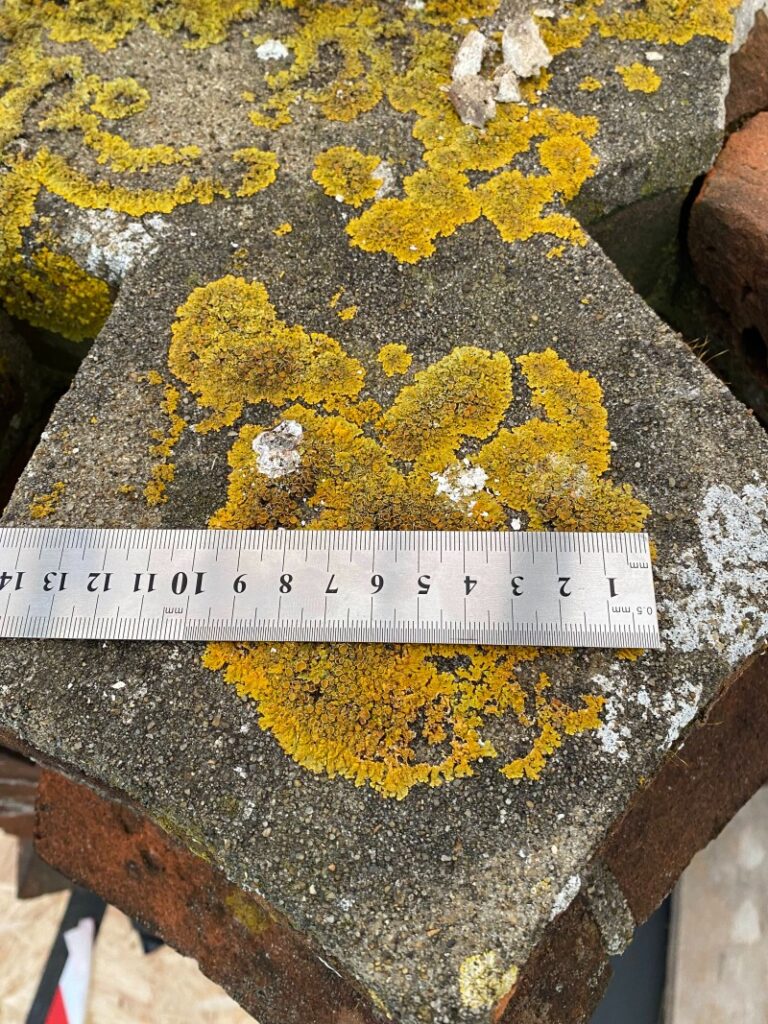
Lichenometry is a geochronologic dating method that uses lichen growth patterns to determine the age of the underlying substrate, based on an assumed specific rate of radial growth over time. This can be used to correlate not only edits to construction but also understand whether composition of building fabric has altered over expansive periods. These indicators serve as useful visual cues for holistic surveys.
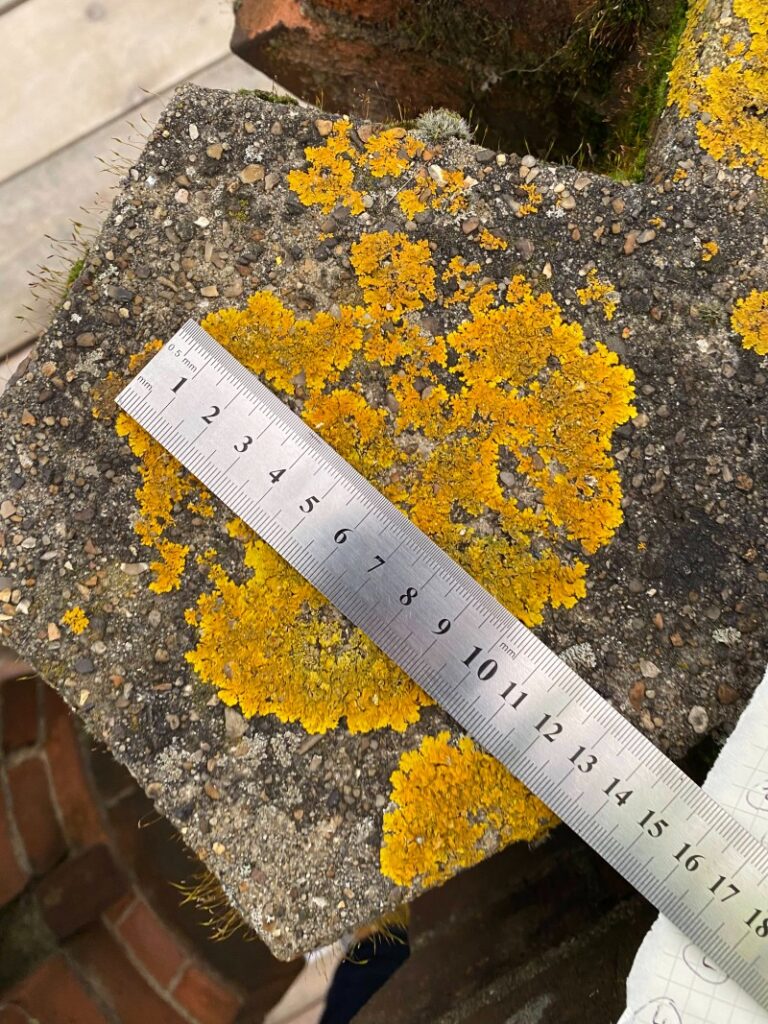
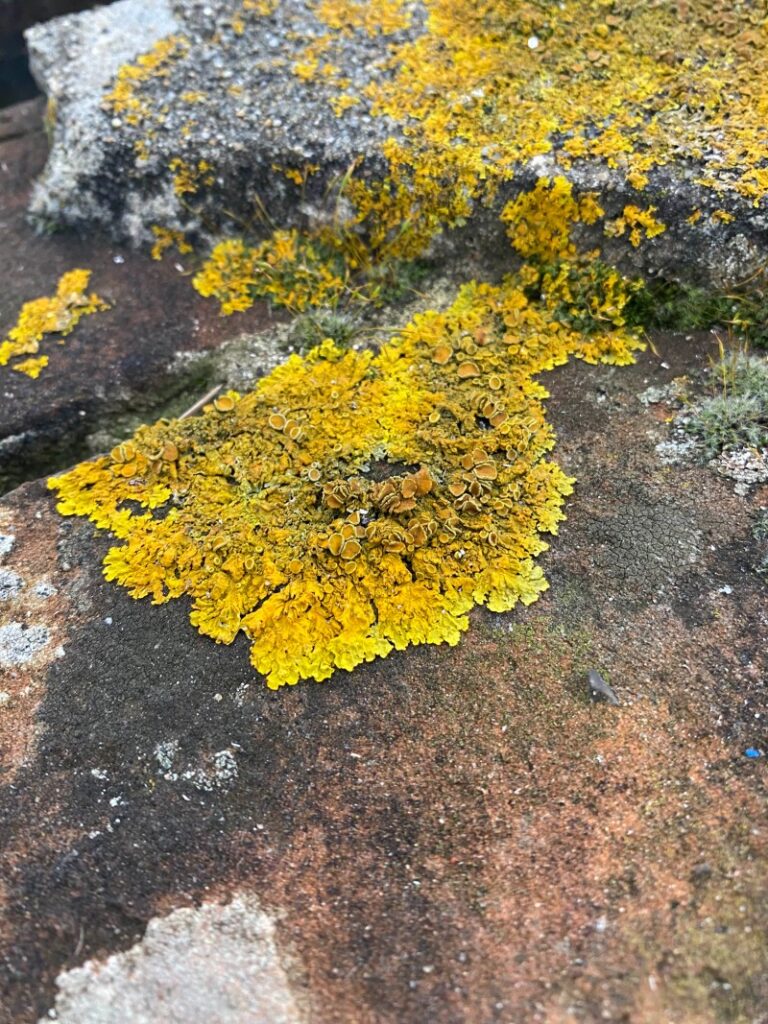
Lichens (Xanthoria parietina) serve as valuable bioindicator species, reflecting the immediate environmental conditions of the site, such as air pollution and moisture levels. This information is useful for heritage buildings investigations and the development of façade maintenance plans and potential adaptive design to aid the buildings performance.
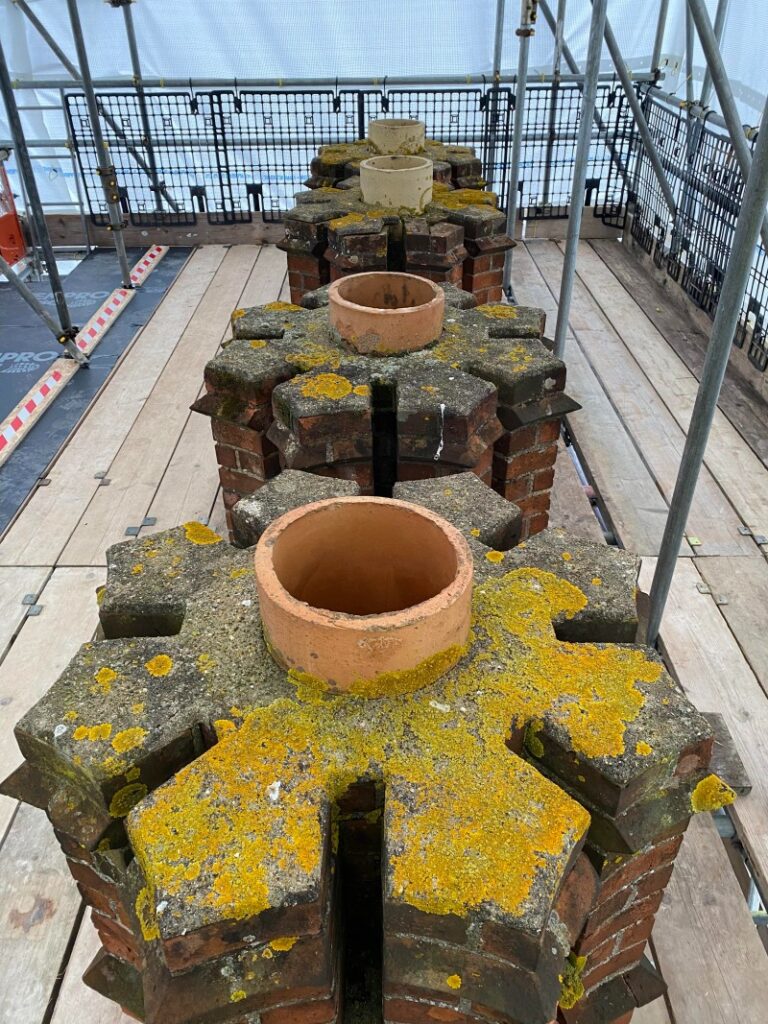
The chimney stacks at Hampton Court Palace delineate the extent of Xanthoria parietina. Monitoring the distribution and abundance of this lichen provides insights into the building’s history and environmental conditions. Prevailing climatic assumptions are supported by the mapping of the Lichens and supplement considerations for the structural remediation.
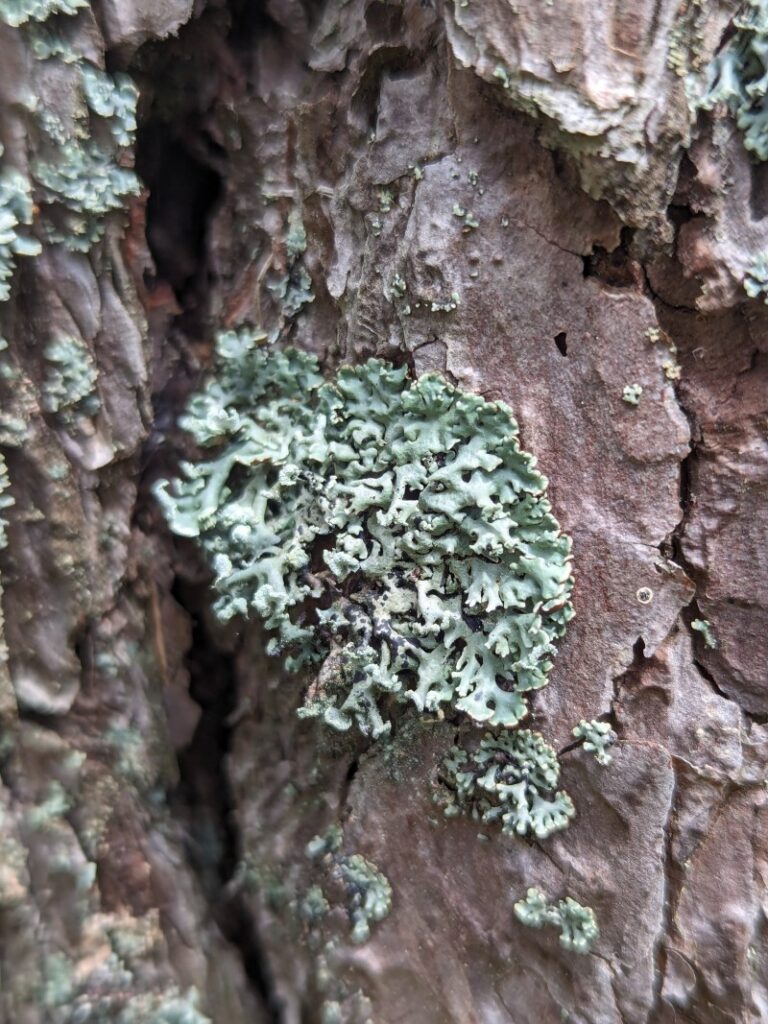
Lichens are symbiotic organisms composed of a partnership between fungi and photosynthetic partners. They are characterised by their ability to colonise a wide range of surfaces, including rocks, soil, urban materials and tree bark, often in extreme environmental conditions. They are undervalued gauges in the assessment of buildings and help filter pollutants industry produce.
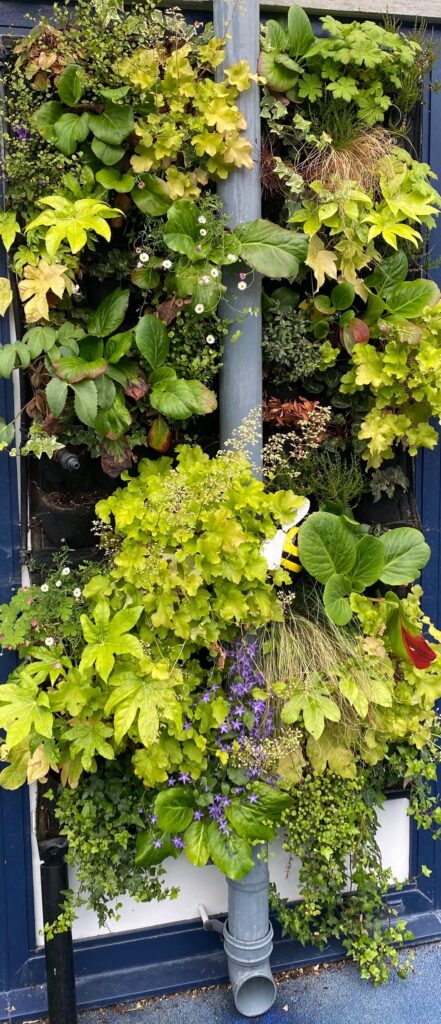
Modular planters provide flexible and scalable solutions for the integration of green infrastructure into façades and urban spaces, supporting biodiversity, improving air quality and enabling adaptive landscape design in constrained environments.
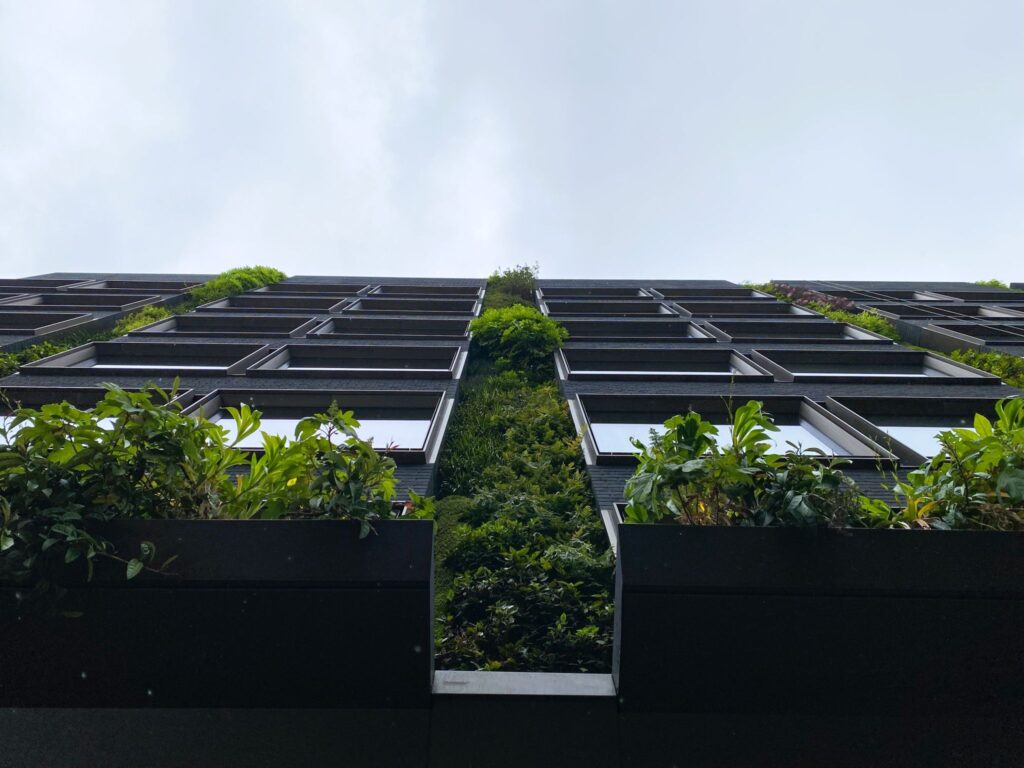
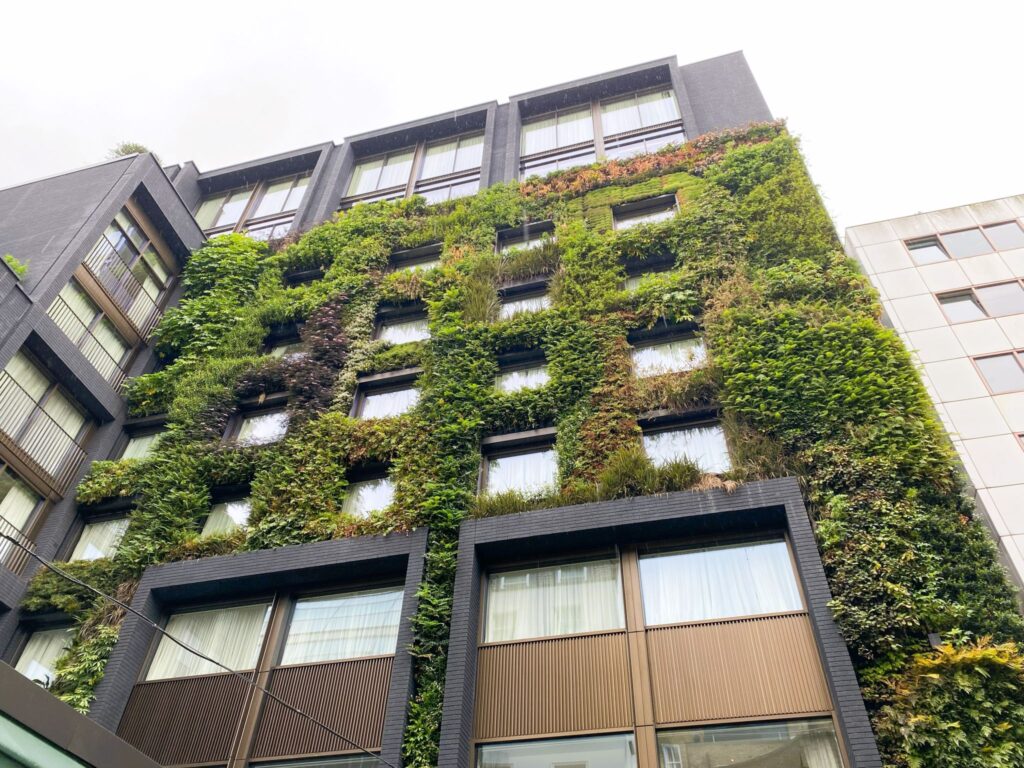
Greenwalls integrated into façades provide opportunities for Biodiversity Net Gain and help improve building performance, whilst also contributing to sustainable architectural design and ecological resilience. The understanding of code compliance and limitations of integration to existing or new structure is a fundamental necessity.
Expansive greenwalls create opportunities to improve a buildings thermal performance, mitigate the urban heat island effect and promote biodiversity.
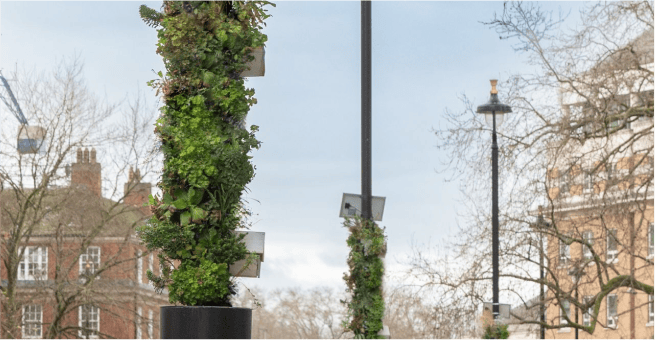
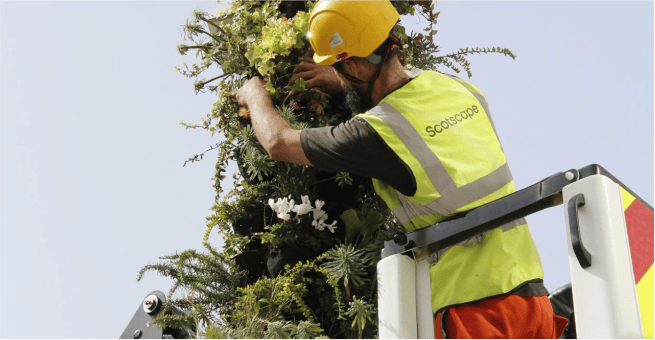
The LivingPillar™ by Scotscape integrates vegetation with street lighting columns using solar power and recirculating irrigation, offering a sustainable and space-efficient solution for enhancing urban greening and ecological connectivity within the built environment. Fortis provide the engineering technical appraisal for the support of these systems.
Supporting biodiversity through vertical green infrastructure establishes habitats for pollinators and small invertebrates, contributing to ecological networks and enhancing the environmental value of urban infrastructure. We can engineer custom solutions for all building formats and modulation.
Employing both traditional and modern techniques offers accuracy and efficiency for tree height records, supporting timber assessments and research methodologies.
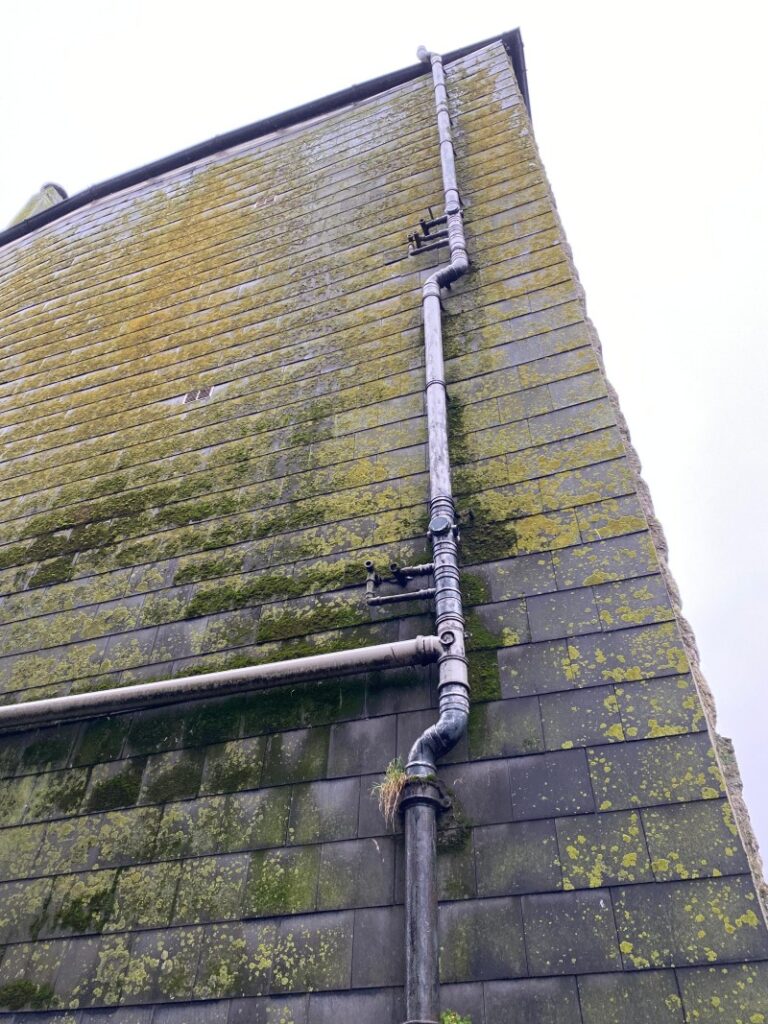
The presence of lichen and moss biofilms can be an indicator for transient moisture within the façade fabric, an indicator for identifying local ecology, but also inform the correct remedial techniques and strategies required for preservation and façade maintenance.
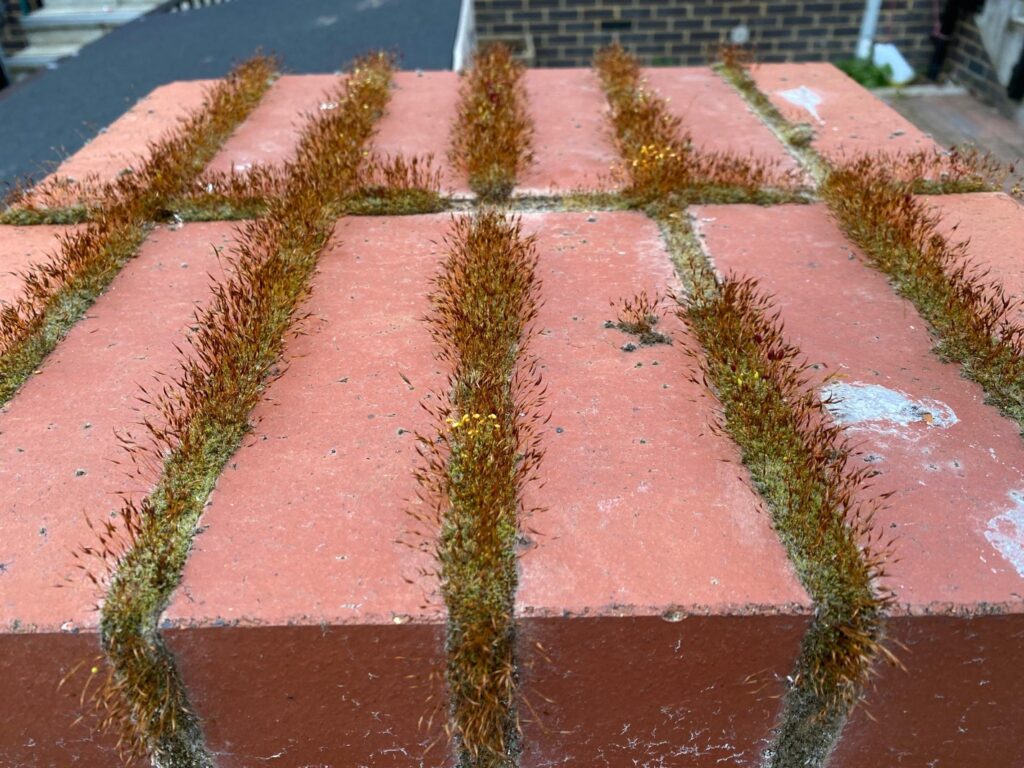
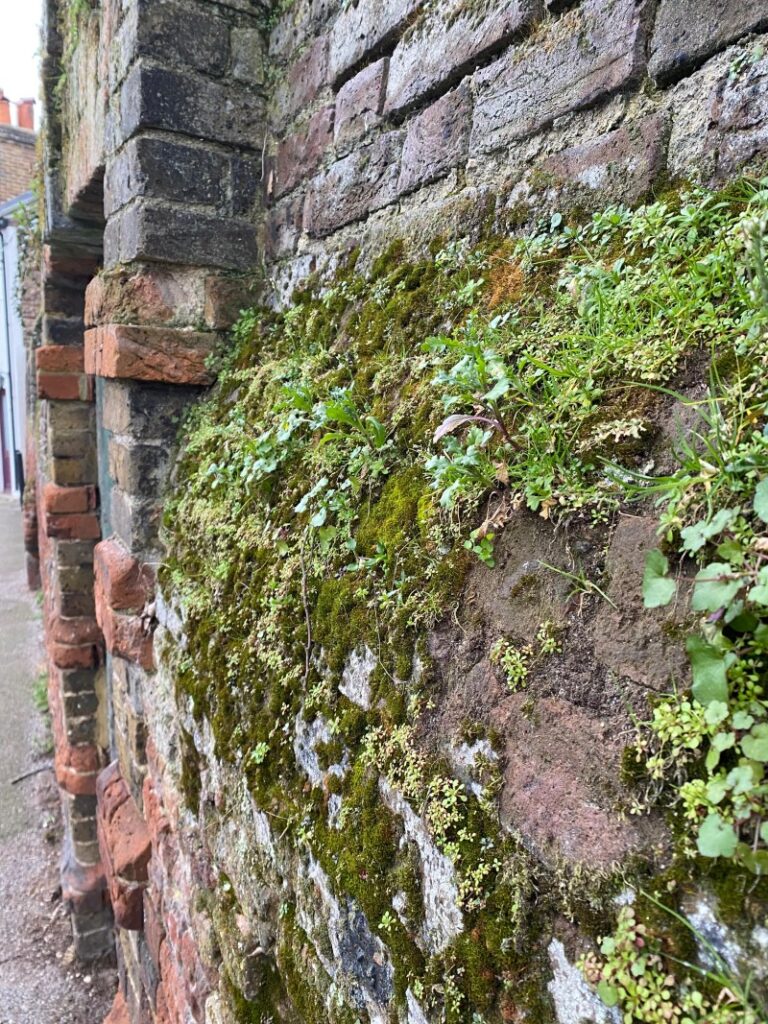
Fire Moss (Ceratodon purpureus) occurs on substrates which range from neutral to acidic. Incorporating ecological monitoring practices assists in selecting appropriate building façade materials and finishes, thereby enhancing material compatibility, longevity and creating resilience design.
Mosses and flora on masonry can enrich urban biodiversity through plant colonisation on built structures. However, this highlights the need for design and maintenance strategies to mitigate potential material degradation over time. We provide detailed understanding of species behaviours and ways to control propagation.
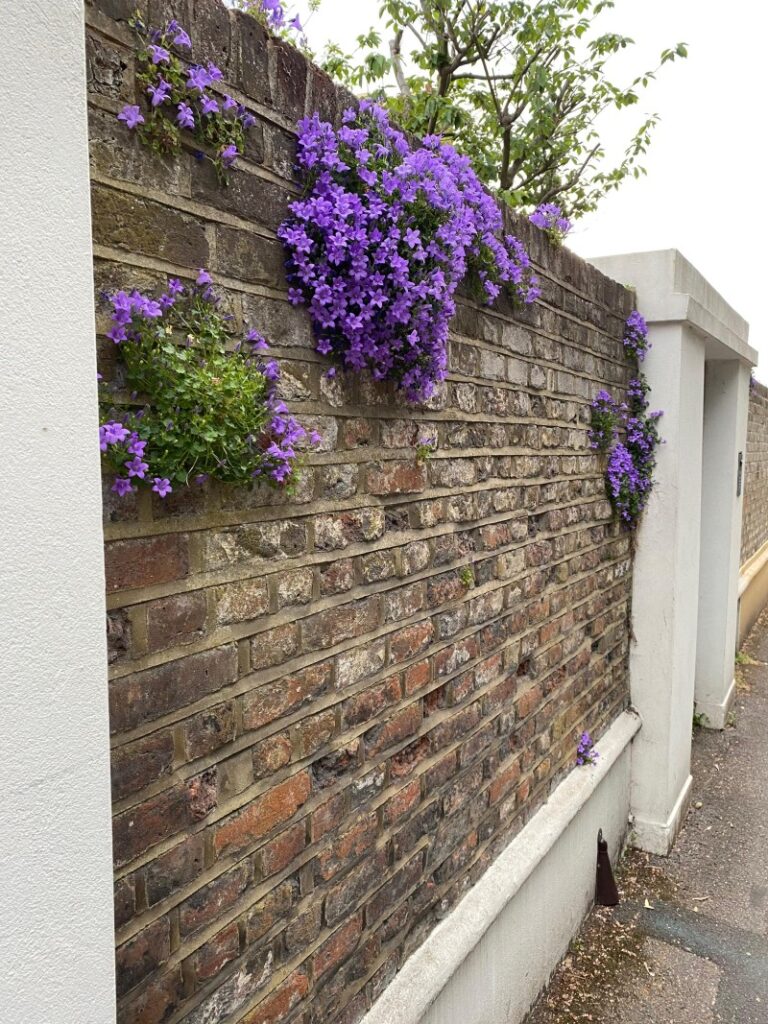
Dalmatian Bellflower’s naturally succeed in well-drained soils but can exploit cracks in older masonry structures. This illustrates the dynamic ecological interactions between flora and the built environment, underscoring the importance of monitoring for structural integrity and maintenance. Fortis’ façade surveys capture these and report to asset managers the associated risks and remedial techniques.
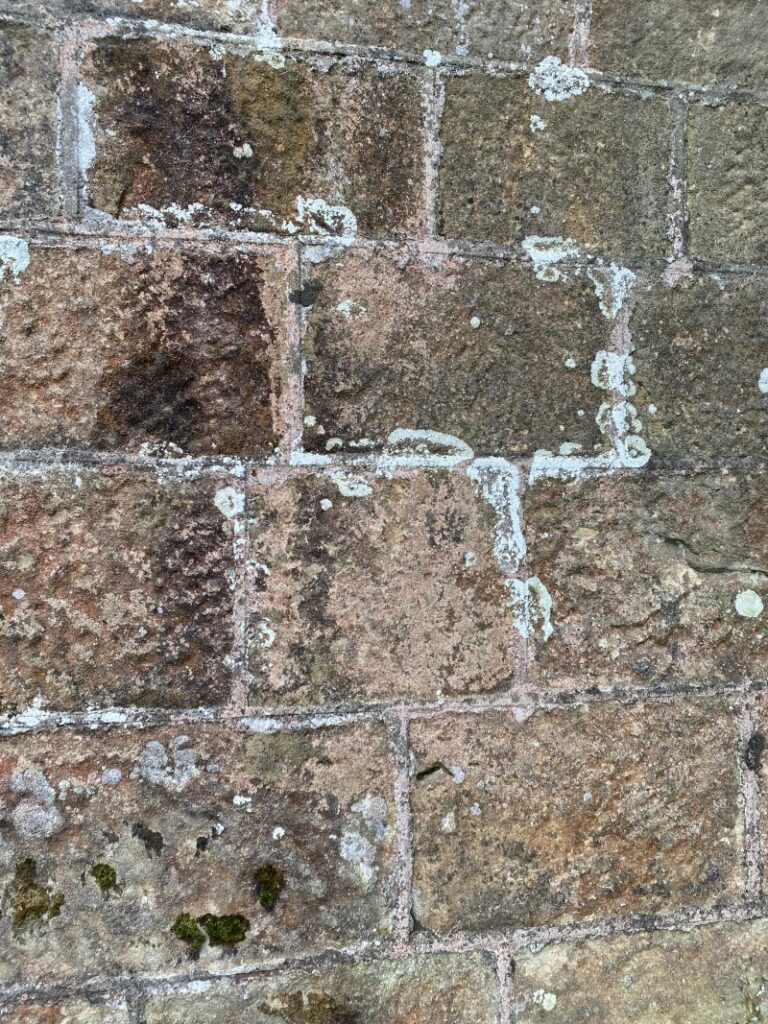
Stone walls that are required to be surveyed for façade preservation can provide visual feedback in relation to the composition due to the inhabiting flora. Indications of lime content in mortar help decision making for appropriate replacement mixes. Absent foliage indicates surface asperity, density and type of geology and offers insight into exposure, run-off frequency and source locations. All provide balanced technical appraisal for remedial strategies.
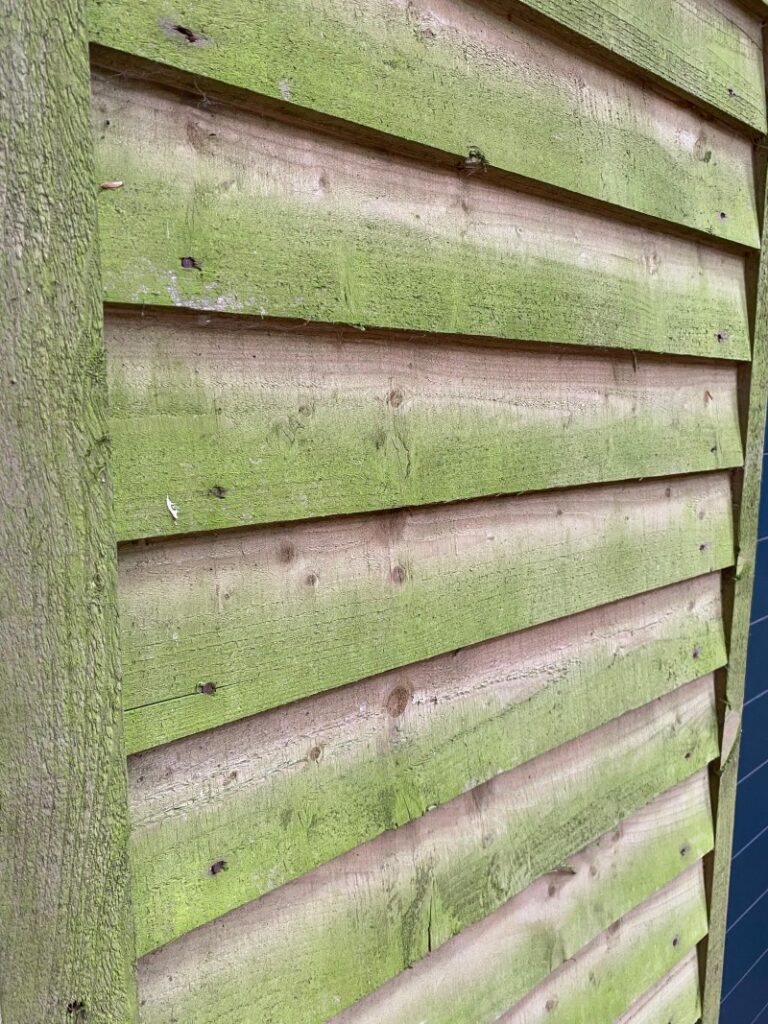
Consistent exposure of timber to moisture and partial shade promotes the formation of algal biofilms, indicating conditions that may compromise material durability over time due to increased moisture retention. We understand the need for targeted maintenance in relation to specific regional ecological influences as this provides clients with the understanding of their assets requirements over time.
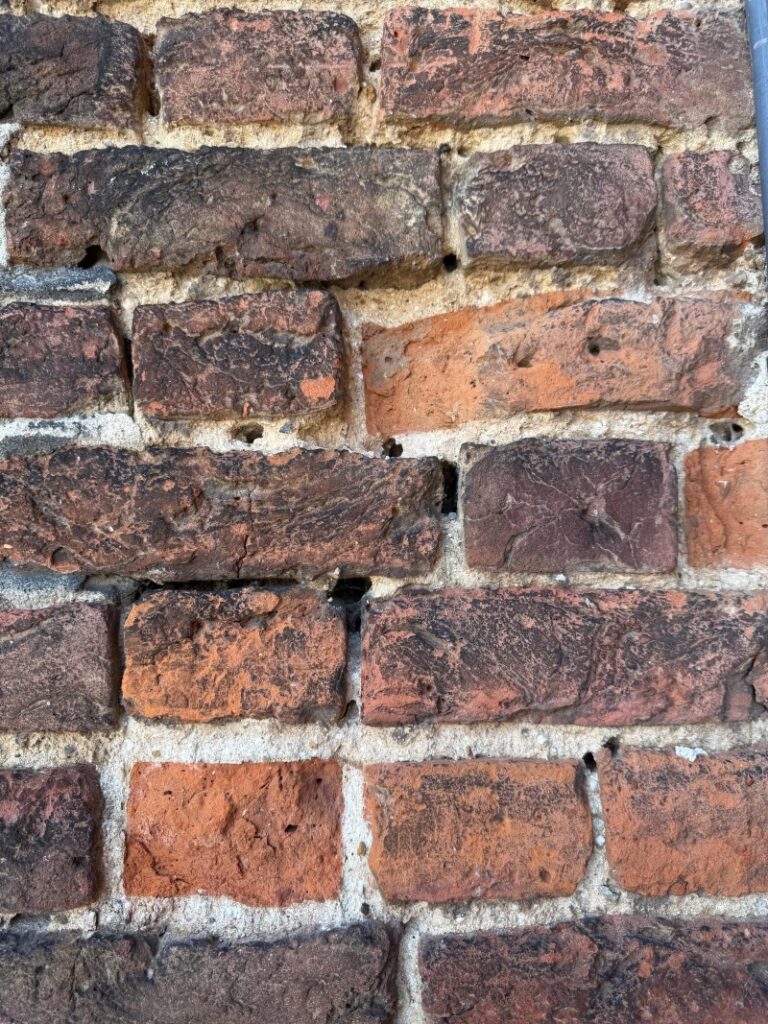
While Masonry Bees primarily use existing holes, extensive burrowing over time, especially where softer mortars can potentially lead to deterioration over time. Fortis are sympathetic to the preservation of bees and understand passive measures to help disperse any dwellers. The technical assessments of the re-pointing and mortar designation are also specified by our technicians whilst reviews of the wall’s integrity are also reported.
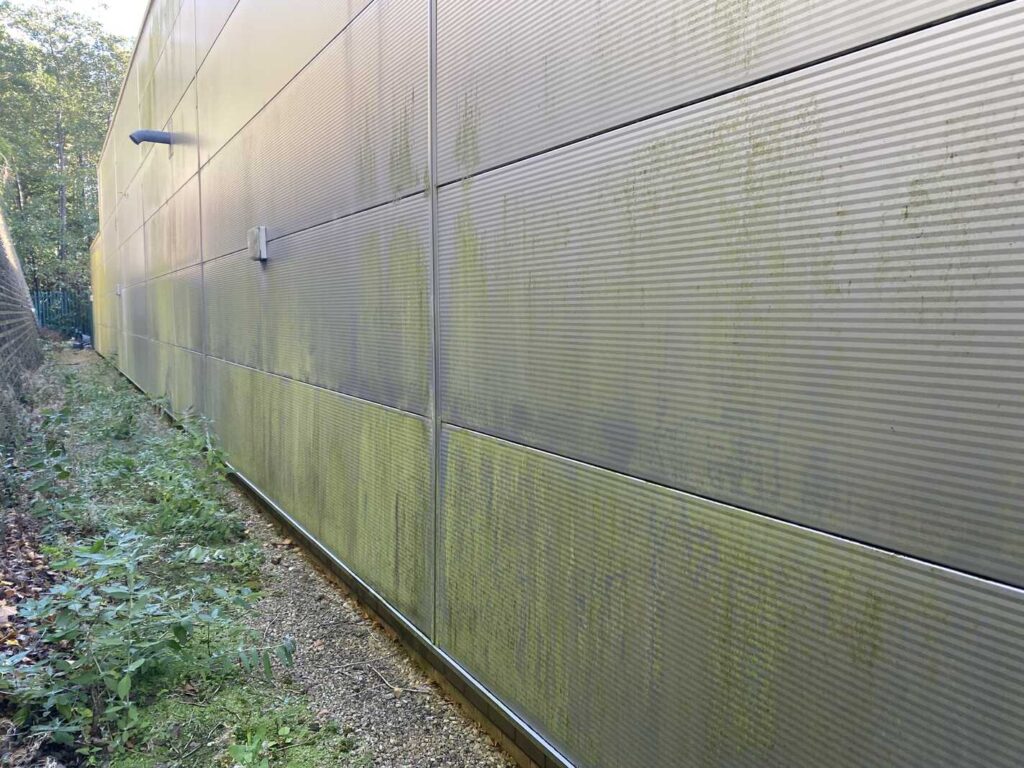
Algal biological growth is the result of prolonged exposure to moisture combined with limited solar exposure and insufficient ventilation. If left untreated, this biological soiling can compromise the visual appearance of the façade and over time potentially degrade protective coatings, leading to accelerated material degradation. We use this information to inform cyclical maintenance regimes in alignment with regional climate conditions combined with seasonality to promote material performance and lifespan.
We have developed this service so that all trades and disciplines can subscribe to an automated early warning facility which will send site operatives and clients protection measure guidance checklists specific to the impending climatic condition to a specific region. Our objective is to provide helpful guidance by offering a system which reduces tasks and only induces readiness for inclement weather which can result in minor but also major delays. Personal safety, mitigating asset loss and loss of downtime is at the focus of the guidance.
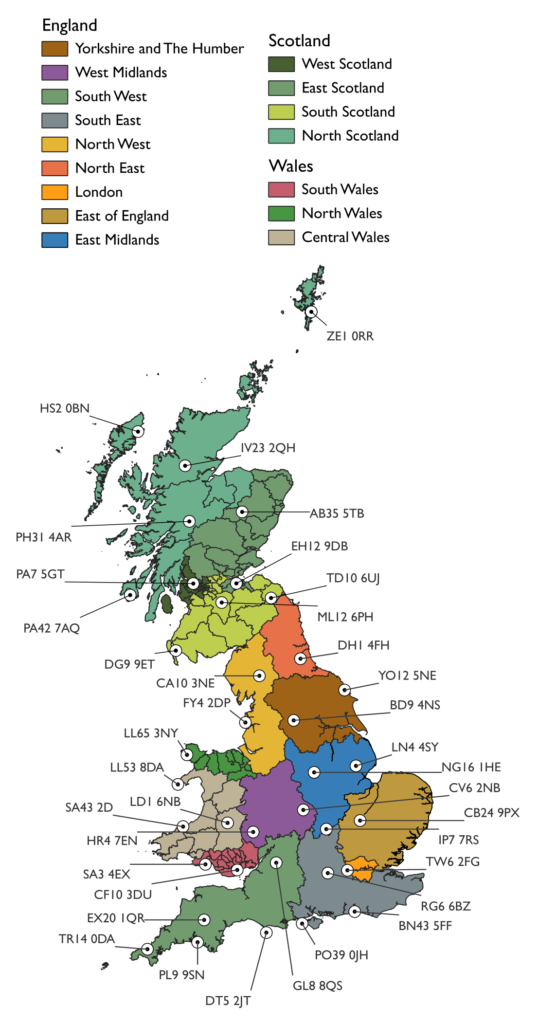
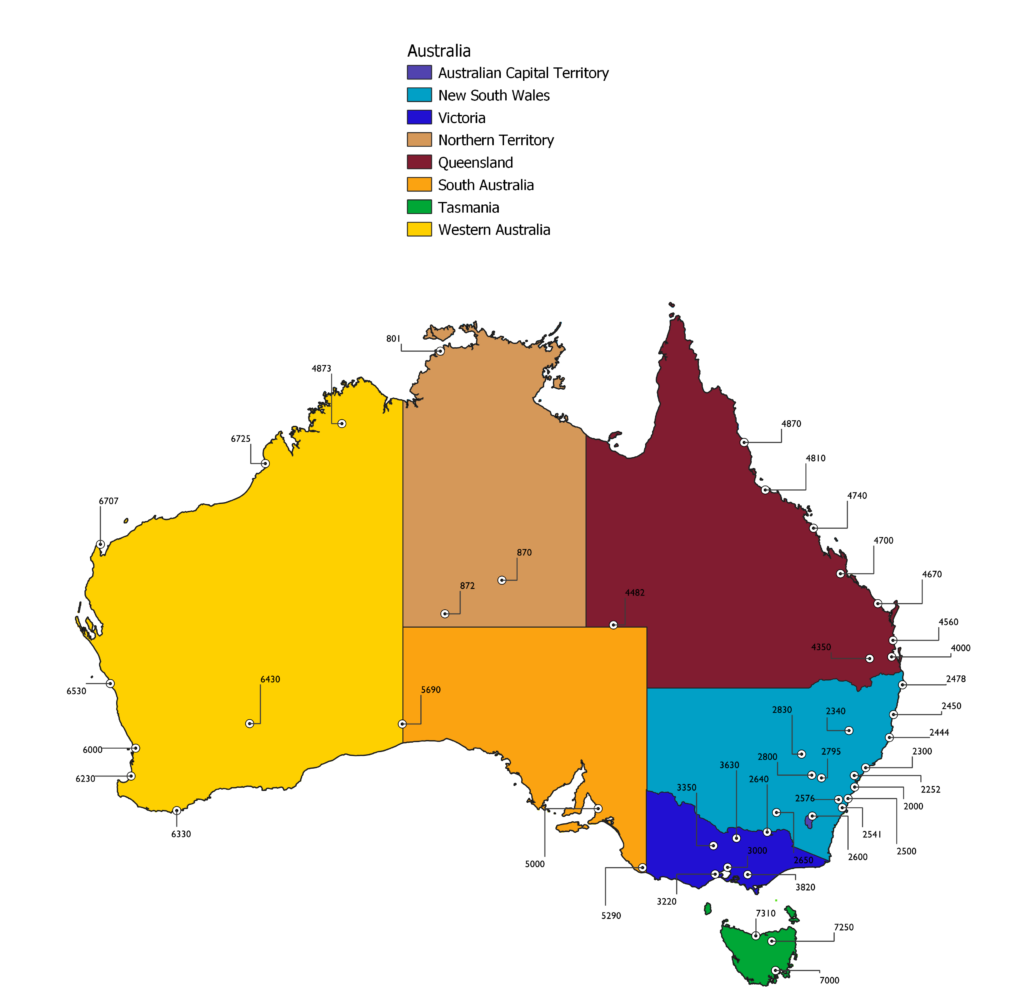
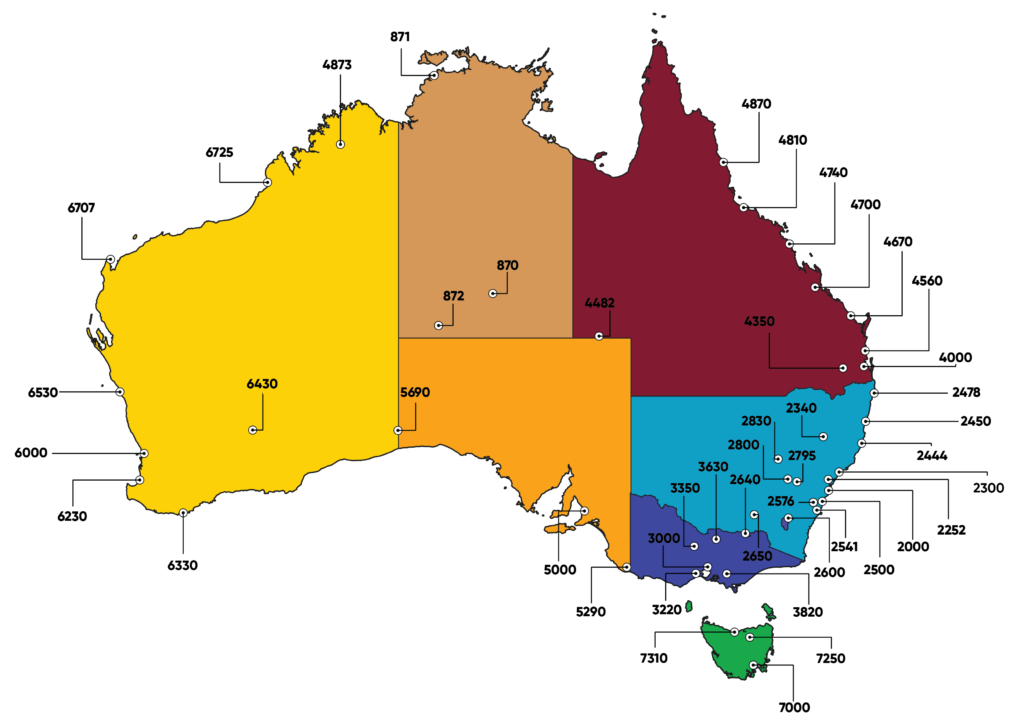
To sign up for free, please use the map below as a reference and enter the postcode nearest to your site location. We’ll then contact you to notify you of any adverse weather warnings in your local area.
Because we review accredited data sets, the system will sometimes offer the nearest postcode in your region that we have vetted for reliable sourcing.
We have developed this service so that all trades and disciplines can subscribe to an automated early warning facility which will send site operatives and clients protection measure guidance checklists specific to the impending climatic condition to a specific region. Our objective is to provide helpful guidance by offering a system which reduces tasks and only induces readiness for inclement weather which can result in minor but also major delays. Personal safety, mitigating asset loss and loss of downtime is at the focus of the guidance.
To sign up for free, please use the map below as a reference and enter the postcode nearest to your site location. We’ll then contact you to notify you of any adverse weather warnings in your local area.
Because we review accredited data sets, the system will sometimes offer the nearest postcode in your region that we have vetted for reliable sourcing.
We have developed this service so that all trades and disciplines can subscribe to an automated early warning facility which will send site operatives and clients protection measure guidance checklists specific to the impending climatic condition to a specific region. Our objective is to provide helpful guidance by offering a system which reduces tasks and only induces readiness for inclement weather which can result in minor but also major delays. Personal safety, mitigating asset loss and loss of downtime is at the focus of the guidance.
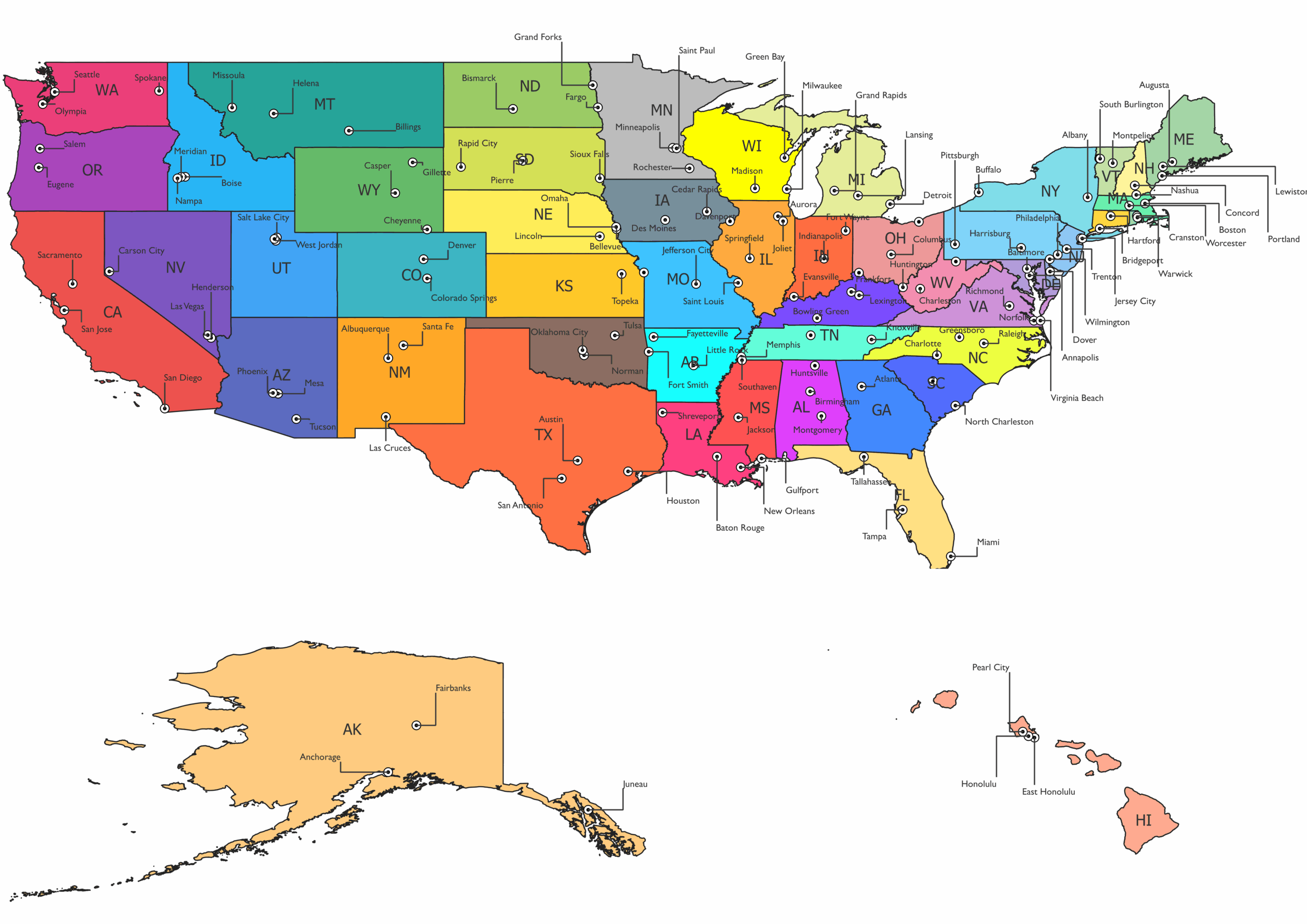
To sign up for free, please use the map below as a reference and enter the Zip code nearest to your site location. We’ll then contact you to notify you of any adverse weather warnings in your local area.
Because we review accredited data sets, the system will sometimes offer the nearest Zip code in your region that we have vetted for reliable sourcing.