On-site: Pier Review

On-site: Pier Review

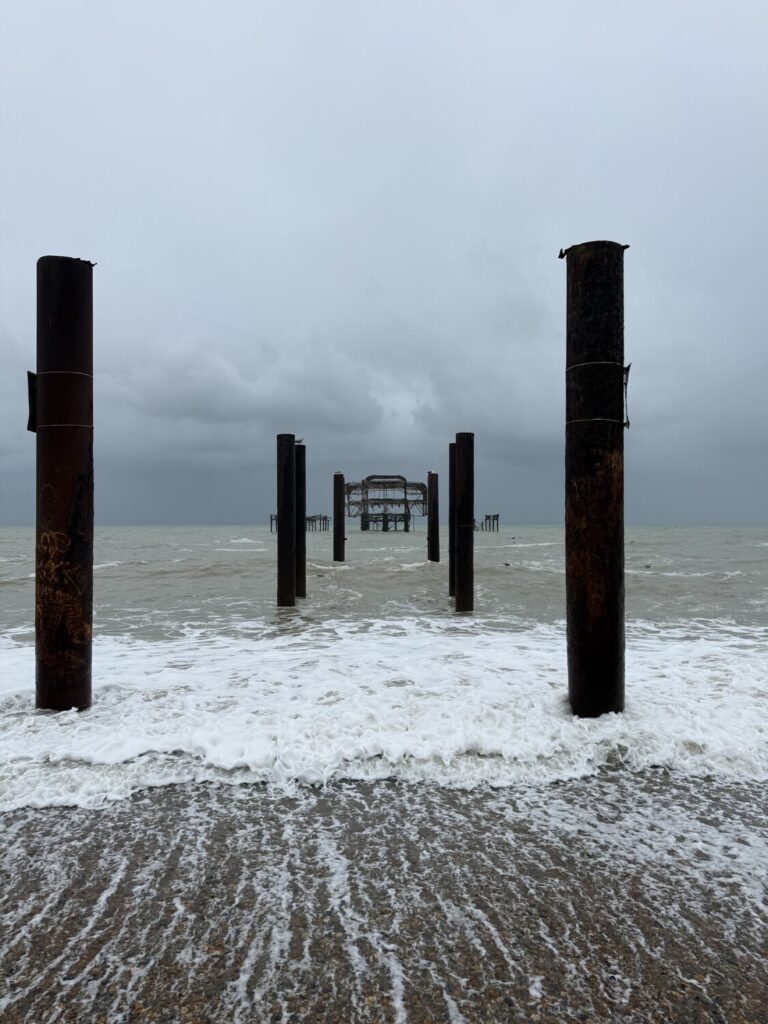
Brighton’s West Pier suffered a partial collapse on Friday, 23rd Oct 2026 at the hand of storm Austen.

Whilst there are reports in the media from the local’s sadness for the continued deterioration of the icon, for those in the field of analysis, it’s difficult to ignore as a case study.

The pier has suffered several collapses since the arson attack in March 2003. The combination of cast and wrought iron since it’s completion in 1866 can be said to have weathered well; possibly really well given it being unclad.

The collapse of the right side (as you face France) of the structure could have naturally been forecast as the next logical component to fail, it would mirror it’s failed left side and also perhaps attracted eccentric load from the predominant longshore drift of the waves from the west. Don’t know.

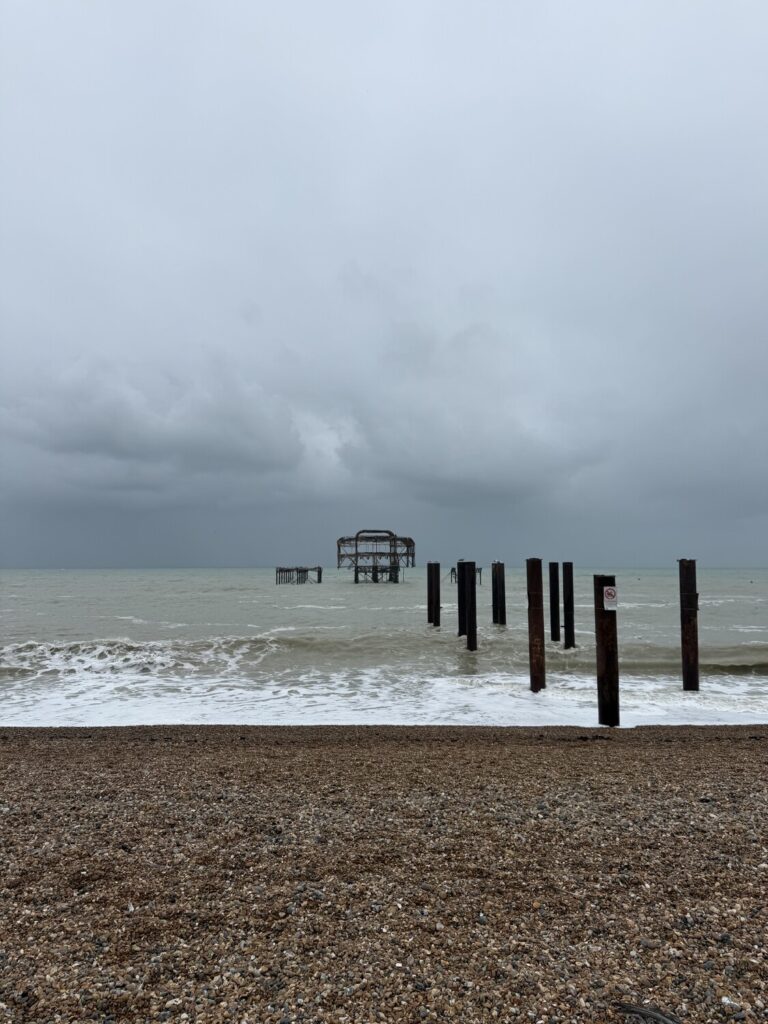
Here’s now:
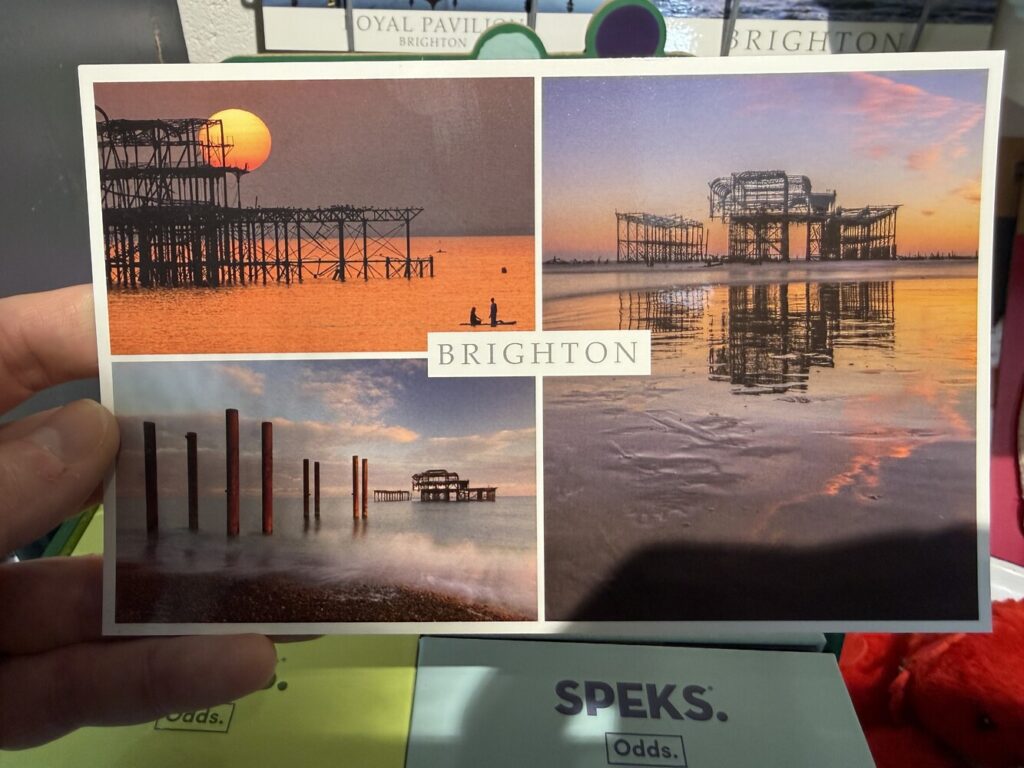
Here’s before:

The photographers were out at first light in a combination of those who wanted to be the first to sell the latest permutation of the failing skeletal frame, and those hoping to capture the next collapse. The structure appears to be in a more balanced assembly now, so may aid it’s eqilibrium with nature. Conditioned at range as I can’t account for the level of damage to be equally reflected.

The members in the most duress are the columns piled into the sea, storm surges would need to breach the original floor levels to cause something more immediate based on current performance; current performance being 160 years. Though the whole structure could collapse into the sea tomorrow, but I doubt this given we have other structures made of the same materials in similar exposed conditions albeit not in the same format. For those that swear by stainless steel only in costal regions, imagine the longevity if it were steel and galvanised, at least 161 years would be reasonable?

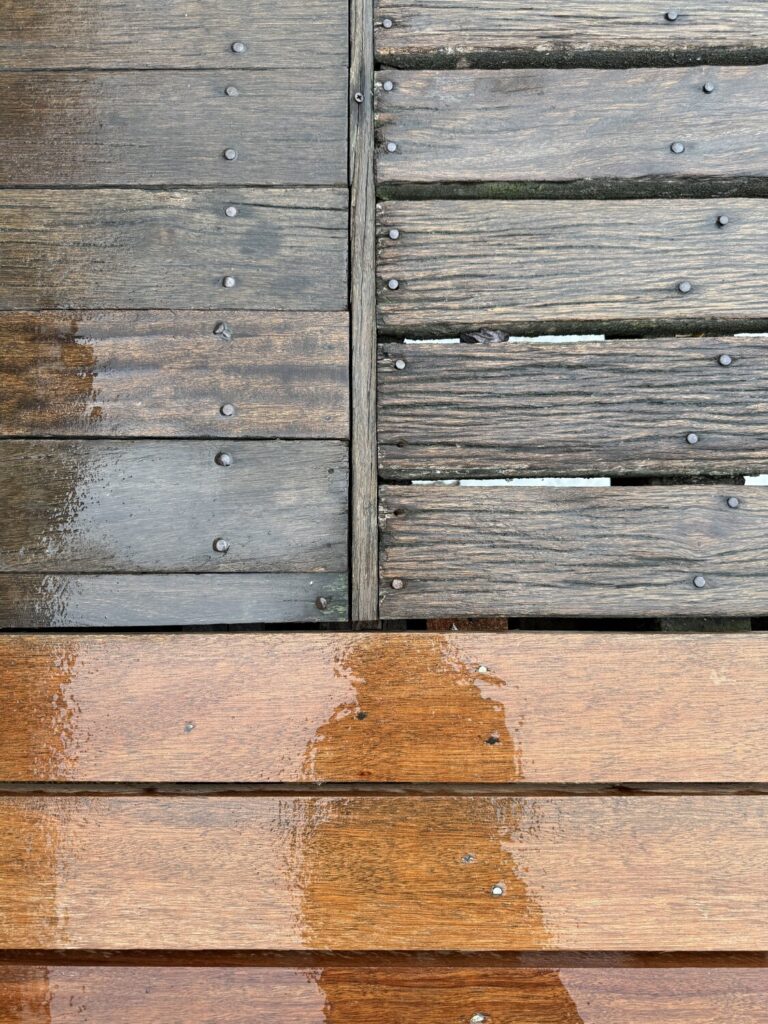
Worthy of note, here are replacement exchanges of timber on Brighton Pier, the oldest being the top right which is Jarrah from Western Australia, possibly some of the original from 1899, but can’t be sure. If you zoom in, the construction technology changing from handmatic to pneumatic. See the larger heads of the nails for hammering versus the fired slightly clipped head that has left a nail gun to the lower section of the image. The crushed nail to the left region just revealing enough of the shank to suggest an older wire nail.

Lastly, possible only victim of the collapse: